

The Metal Injection Molding Process
Metal Injection Molding (MIM) combines the design flexibility of plastic injection molding with the superior mechanical properties of metals, delivering complex, high-precision components with unparalleled efficiency.
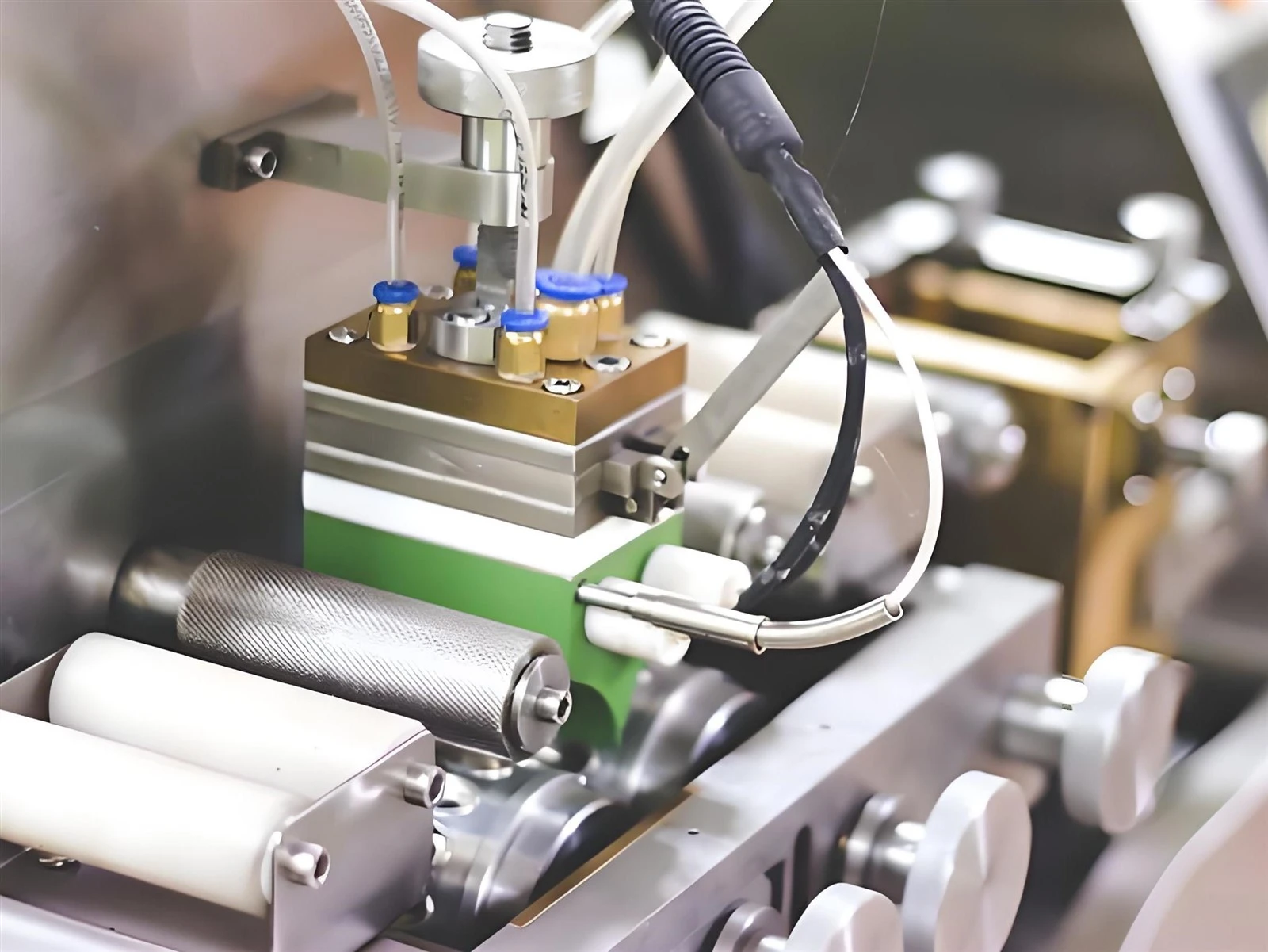
Overview of Metal Injection Molding
Metal Injection Molding (MIM) is a cutting-edge manufacturing process that combines the versatility of plastic injection molding with the strength and durability of metals. This innovative technique has revolutionized the production of small, complex metal components across various industries.
What is MIM?
Metal Injection Molding (MIM) is a precision manufacturing process for producing complex-shaped metal components. It involves mixing fine metal powders with a binder material to form a feedstock, which is then injected into a mold cavity.
History of MIM
The roots of Metal Injection Molding trace back to the 1970s, but it wasn't until the 1990s that the process gained commercial traction. Since then, advancements in materials science and process technology have expanded its capabilities and applications.
The global Metal Injection Molding market is experiencing significant growth, driven by demand from industries such as electronics, healthcare, automotive, and aerospace. It is projected to reach significant value, growing at a strong CAGR over the coming years.
Why Metal Injection Molding?
Metal Injection Molding offers a unique combination of design flexibility, material choice, and cost-effectiveness that makes it ideal for producing small, complex parts with tight tolerances. It bridges the gap between traditional manufacturing methods and the demands of modern industries.
- Complex geometries that are impossible or costly with other methods
- High precision and tight tolerances (typically ±0.3%)
- Excellent surface finish and dimensional consistency
- Wide range of materials including stainless steels, alloys, and high-performance metals
- Cost-effective for medium to high volume production
Understanding the Metal Injection Molding Process
The MIM process combines the principles of plastic injection molding and powder metallurgy to create complex metal components with high precision and excellent mechanical properties.
Feedstock Preparation
The process begins with the creation of a homogeneous feedstock by mixing fine metal powders (typically 1-20 microns in size) with a thermoplastic binder system. The binder provides the flow characteristics necessary for injection molding while maintaining the shape of the component during subsequent processing.
Injection Molding
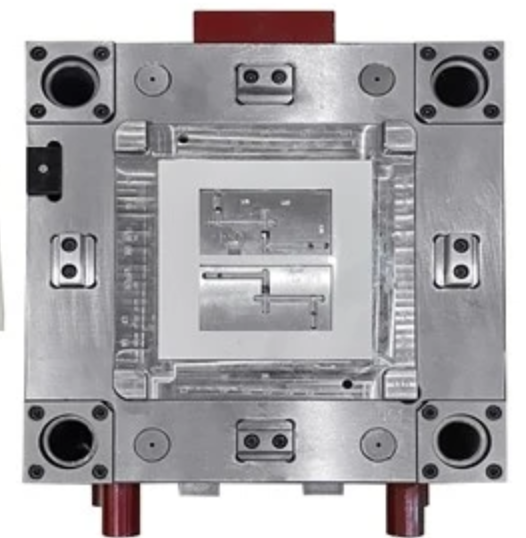
The feedstock is heated to a molten state and injected into a precision-machined mold cavity under high pressure. The mold, typically made of tool steel, is designed to create the desired shape of the final component. After injection, the mold is cooled, and the molded part, known as the "green part," is ejected.
Debinding
The green part is subjected to a debinding process to remove the majority of the binder material. This is typically achieved through thermal, catalytic, or solvent-based methods. The debound part, referred to as the "brown part," retains its shape but is porous and fragile, requiring careful handling.
Sintering
The brown part is sintered in a controlled atmosphere furnace at high temperatures (typically 1,200-1,400°C). During sintering, the metal particles fuse together, eliminating porosity and achieving near-full density. This results in a significant reduction in volume (typically 15-20%) and enhances the mechanical properties of the component to near-wrought levels.
Secondary Operations
After sintering, components may undergo secondary operations such as heat treatment to enhance hardness and strength, surface finishing (e.g., plating, polishing, or coating) to improve corrosion resistance or aesthetics, and precision machining to achieve tighter tolerances or add features not feasible during molding.
MIM Process Flow Diagram
Materials Used in Metal Injection Molding
Metal Injection Molding supports a wide range of materials, each offering unique properties to meet diverse application requirements.
Stainless Steels
The most widely used materials in MIM, stainless steels offer excellent corrosion resistance, high strength, and good ductility. Common grades include 316L, 17-4PH, and 420.
Low-Alloy Steels
These materials provide high strength and hardness, making them suitable for applications requiring wear resistance. Examples include 4140, 4340, and 8620.
Tool Steels
Ideal for high-strength applications and tools, tool steels such as D2, H13, and M2 offer exceptional hardness, wear resistance, and heat resistance.
Titanium
Titanium alloys, such as Ti-6Al-4V, provide an excellent strength-to-weight ratio and superior corrosion resistance, making them ideal for aerospace and medical applications.
Tungsten Alloys
Tungsten heavy alloys offer high density, excellent radiation shielding properties, and good mechanical strength, making them suitable for aerospace and defense applications.
Kovar
Kovar, an iron-nickel-cobalt alloy, exhibits a low coefficient of thermal expansion, making it ideal for applications requiring thermal compatibility with glass or ceramics.
Material Selection Guide
Choosing the right material for your Metal Injection Molding project is critical to achieving the desired performance and cost-effectiveness. Consider the following factors:
Key Material Properties
- Strength and Hardness: Required for structural components and wear-resistant parts
- Corrosion Resistance: Essential for applications in harsh environments
- Heat Resistance: Critical for high-temperature applications
- Magnetic Properties: Important for electromagnetic components
- Biocompatibility: Necessary for medical and dental applications
- Density: Influences component weight and functionality
Material Cost Considerations
- Raw Material Cost: Varies widely depending on alloy composition
- Processing Complexity: Some materials require specialized equipment
- Post-Processing Requirements: Additional treatments add to cost
- Volume Considerations: Material cost per part decreases with higher volumes
- Availability: Specialty alloys may have longer lead times
Applications of Metal Injection Molding
Metal Injection Molding (MIM) is used across a wide range of industries to produce complex, high-performance components with precision and efficiency.
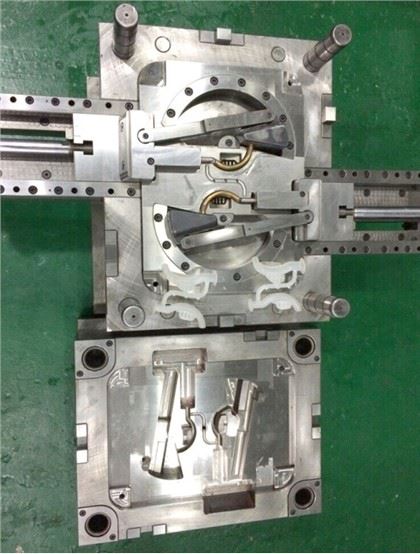
Medical Devices
MIM is widely used in the medical industry to produce precision components such as surgical instruments, dental implants, orthopedic devices, and drug delivery systems. Biocompatible materials like titanium and stainless steel ensure safety and reliability.
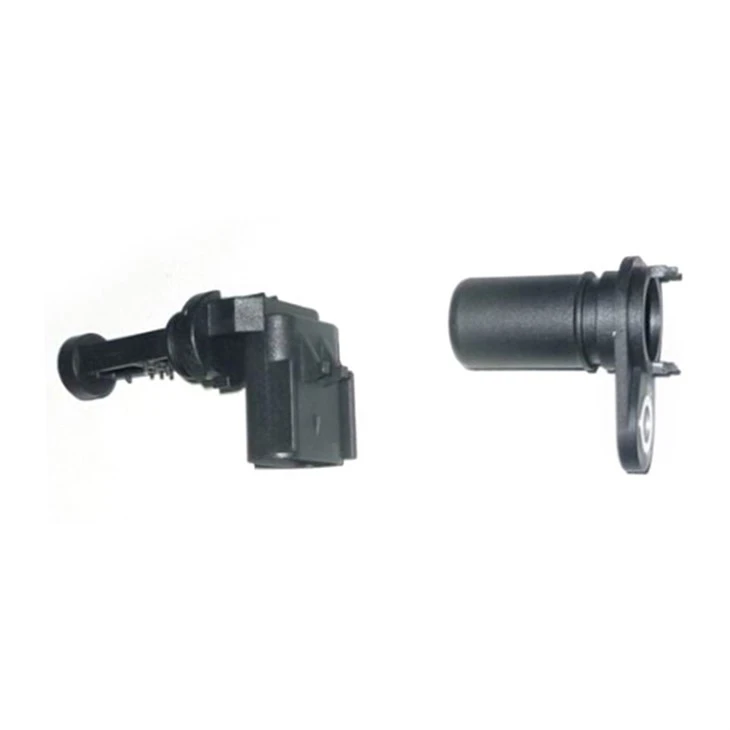
Electronics
The electronics industry benefits from MIM's ability to produce small, intricate components with tight tolerances. Applications include connectors, sensors, actuators, heat sinks, and electromagnetic shielding.
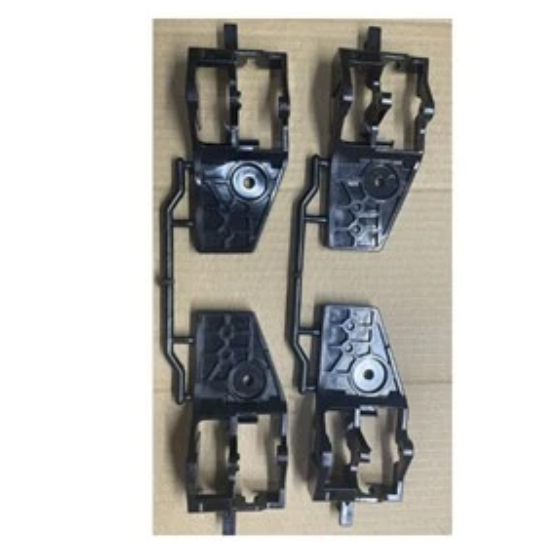
Automotive
In the automotive sector, MIM is used for producing components such as transmission parts, fuel injection systems, ignition components, and safety features. Its ability to create complex shapes reduces assembly steps and weight.
Aerospace
Aerospace applications of MIM include components for engines, airframes, and avionics systems. High-temperature alloys and titanium are commonly used to meet the industry's demanding requirements for strength, durability, and weight reduction.
Firearms
The firearms industry relies on MIM for producing small, complex parts such as triggers, hammers, magazines, and sights. MIM allows for the integration of multiple functions into a single component, improving performance and reducing costs.

Consumer Products
In consumer goods, MIM is used to create high-quality, intricate components for watches, jewelry, tools, and sporting goods. It enables the production of detailed designs with excellent surface finish and material properties.
Case Studies: MIM in Action
Medical Instrument Innovation
Replacing CNC Machining with MIMA leading medical device manufacturer needed a complex, high-precision component for a surgical instrument. The original CNC machining process was costly and time-consuming, with tight tolerances proving challenging to achieve consistently.
- Reduced production cost by 45%
- Shortened lead time from 12 weeks to 4 weeks
- Achieved tighter tolerances and improved consistency
- Eliminated secondary operations through near-net-shape manufacturing

Miniaturized Electronics Component
Enabling Next-Gen Device DesignA consumer electronics company required a tiny, complex component with intricate internal features for a new wearable device. Traditional manufacturing methods could not produce the required geometry with the necessary precision and material properties.
- Successfully produced complex geometry impossible with CNC
- Maintained tight tolerances of ±0.01mm
- Material properties met electromagnetic shielding requirements
- Production costs reduced by 38% compared to alternative methods
Advantages of Metal Injection Molding
Metal Injection Molding (MIM) offers numerous benefits over traditional manufacturing methods, making it a preferred choice for many industries.
Design Flexibility
MIM allows the creation of complex geometries, thin walls, undercuts, and intricate internal features that are difficult or impossible to achieve with traditional machining or casting, giving engineers broad freedom in component design.
Cost-Effective for High Volume
For medium to high production volumes, MIM significantly reduces per-unit cost by eliminating secondary operations, minimizing material waste, and consolidating multi-part assemblies into a single component.
High Precision & Tight Tolerances
MIM consistently achieves tight dimensional tolerances (typically ±0.3%) and excellent surface finish, reducing or eliminating the need for secondary machining and providing repeatable quality across production runs.
Material Variety
The process supports a broad range of materials, including stainless steels, low-alloy steels, tool steels, titanium, tungsten alloys, and Kovar, allowing material selection to be optimized for each application.
Reduced Material Waste
Compared with CNC machining, MIM produces near-net-shape components, dramatically reducing material waste. Surplus feedstock and runners can often be recycled, improving material utilization and sustainability.
Excellent Surface Finish
Components produced via MIM exhibit a smooth, uniform surface finish directly from the mold, suitable for decorative applications and reducing the need for additional polishing or coating operations.

Future Trends of Metal Injection Molding
Driven by growing demand from electronics, healthcare, automotive, and aerospace industries, the Metal Injection Molding market is expected to expand steadily, supported by ongoing advancements in materials science and process technology.
Emerging trends include the development of new alloy feedstocks, multi-material and dual-component MIM (2C-MIM), micro-MIM for miniature components, and tighter integration with additive manufacturing and digital process controls for improved consistency and traceability.
Sustainability is also shaping the industry, with increased focus on binder recovery, feedstock recycling, energy-efficient sintering furnaces, and cleaner debinding methods to reduce environmental impact while maintaining component performance.
Conclusion
Metal Injection Molding bridges the gap between the design freedom of plastic injection molding and the mechanical performance of metals, enabling the efficient production of small, complex, high-precision components across medical, electronics, automotive, aerospace, firearms, and consumer industries.
With its expanding material options, proven cost advantages at medium to high volumes, and continuous process innovation, MIM is positioned as a key manufacturing technology for the next generation of precision engineered components.