

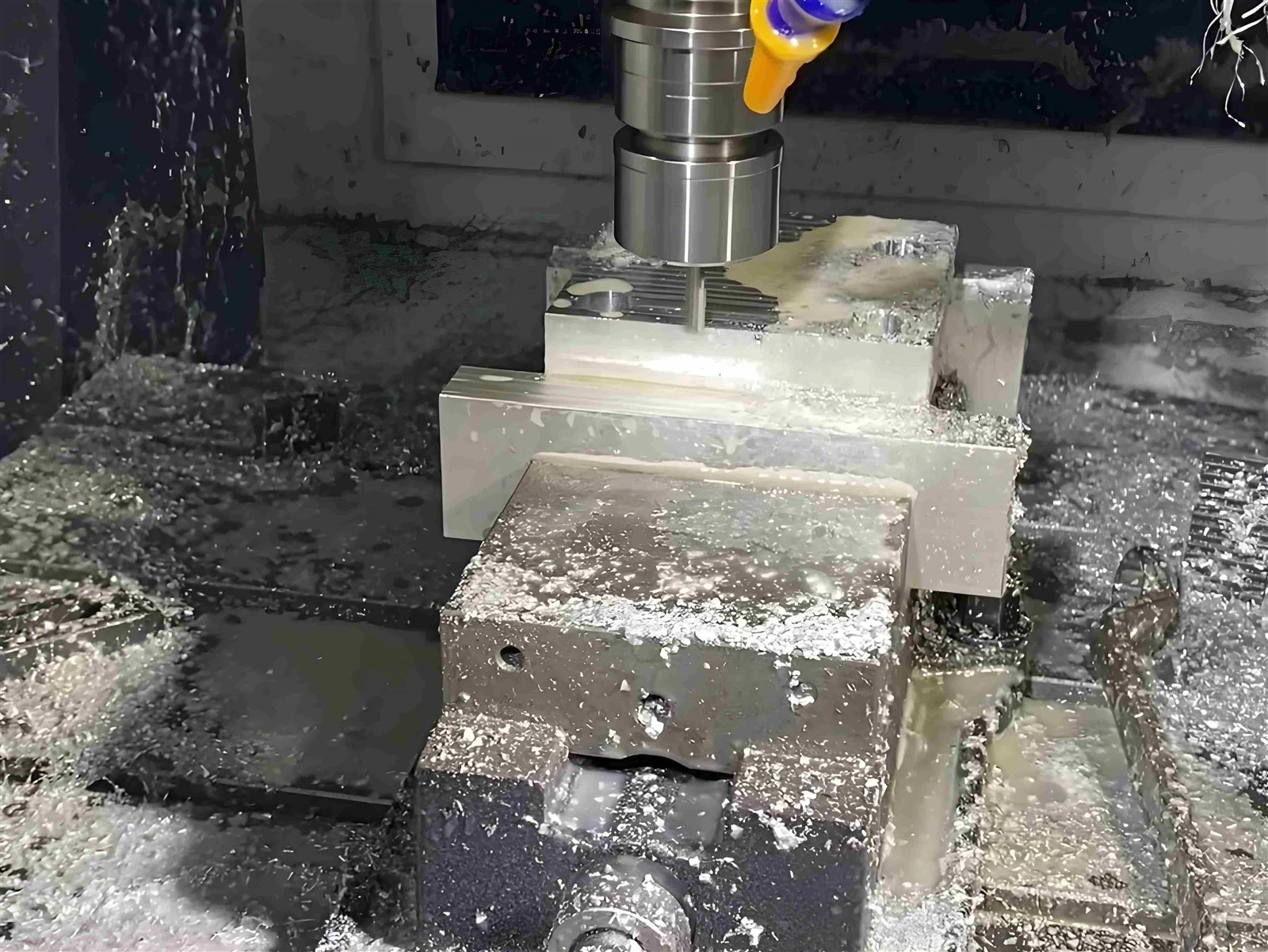
Definition of Injection Molding
Injection molding is a molding method that combines injection and molding. The general injection molding process involves adding polymer-containing granules or powder into the barrel (also called the barrel) of an injection molding machine.
Through heating, compression, shearing, mixing, and conveying, the material is homogenized and melted (this process is also called plasticizing). Then, pressure is applied to the molten material using a plunger or screw, and the high-temperature melt is injected through the nozzle in front of the barrel and the mold's gating system into a pre-closed low-temperature mold cavity. After cooling and solidification, the mold can be opened, and the product ejected, resulting in a plastic product with a specific geometric shape and precision.
This method is suitable for the mass production of complex-shaped plastic parts and is one of the important plastic processing methods.
Injection Molding Steps
Injection molding generally consists of six steps: mold clamping, injection, pressure holding, cooling, mold opening, and product ejection. Each molding step represents a different stage of injection molding. Under normal production conditions, the injection molding machine can automatically complete these steps by setting the injection molding machine parameters. The following is a brief explanation of each injection process.
Mold Closing and Opening
The mold opening and closing of an injection molding machine is accomplished by the mold clamping system. The mold opening and closing are mainly achieved through mechanical movement. When clamping the mold, a clamping force is applied to the mold to overcome the pressure of the cavity during injection molding. The mold opening action is mainly to remove the product and enter the next production cycle.
Injection, Holding Pressure, and Plasticizing
The injection, holding pressure, and plasticizing processes are primarily accomplished by the injection system of the injection molding machine. In one cycle of the injection molding machine, a certain amount of plastic is heated and melted within a specified time. Then, under specific pressure and speed, the molten plastic is injected into the mold cavity through a screw. After injection, a certain pressure is maintained on the molten material injected into the mold cavity.
Cooling
The product cooling stage involves the high-temperature molten material being injected through the nozzles in front of the barrel and the mold's gating system into a pre-closed low-temperature mold cavity, where it cools and solidifies. This cooling and solidification process significantly impacts the production cycle and requires setting a reasonable cooling time based on the product's manufacturing process requirements.
Product Ejection
Product ejection is accomplished by the ejection system on the injection molding machine. After the injection molding machine opens the mold, the product ejection system moves forward, ejects the product, and then retracts. The product ejection method can be set to hold, retraction, or intermediate ejection modes, depending on the part removal requirements.
Main Injection Molding Process
The injection molding process is mainly completed on an injection molding machine, including plasticizing and metering, injection filling, and cooling and shaping. The purpose of studying the injection molding process is to adjust the injection molding process parameters according to the plastic and the product to control the quality of the injection molded products.
Plasticizing Measurement
Plasticizing refers to the entire process of heating plastic in the barrel to a fluid state with good plasticity. The plastic raw material is uniformly melted at a high temperature by heat generated from friction with the rotating injection molding machine screw, or by heat supplied by a heater outside the injection molding machine barrel, preparing it for injection into the mold. Plasticizing can be considered the preparation process for injection molding. The molten plastic should reach the specified molding temperature upon entering the mold cavity and provide a sufficient quantity of molten plastic within a specified time. The temperature of the molten plastic should be uniform at all points, with little or no thermal decomposition to ensure continuous production.
Plasticizing can be divided into plunger-type plasticizing and screw-type plasticizing. Screw-type plasticizing involves not only rotational motion but also backward linear motion; the screw rotates and retracts simultaneously. The backward linear motion is the result of the reaction force between the material in the screw channel and the molten material at the screw head on the screw during rotation. The polymer undergoes three states from the rear to the front in the barrel: glassy state, elastic state, and viscous flow state. The corresponding screw is divided into three sections: the rear solid conveying section (feeding section), the intermediate melting section (compression section), and the front homogenization section (metering section). The screw groove depth of the general-purpose screw gradually becomes shallower from the feeding section to the metering section.
Injection Molding
Injection molding is the process of injecting the plasticized molten material from the metering chamber into the mold cavity. This is a complex and crucial stage, involving the flow of high-temperature melt into the relatively cooler mold cavity. It determines polymer orientation and crystallization, directly impacting product quality. Injection molding consists of two stages: the injection stage and the holding pressure stage. The injection stage begins with the screw propelling the melt until the melt fills the mold cavity. The holding pressure stage begins with the melt filling the mold cavity and ends with the gate "freezing." The holding pressure stage can be further divided into the holding pressure compensation flow stage and the holding pressure switching reverse flow stage.
During the holding pressure stage, under the holding pressure, the melt in the mold cavity undergoes cooling, compensation, and further compression and densification.
The holding pressure compensation flow stage refers to the situation where the nozzle pressure (injection pressure) reaches its maximum value, but the mold cavity pressure has not yet reached its maximum value. In other words, the peak pressure in the mold cavity lags behind the injection pressure by a certain period. It requires a period of compaction pressure holding, meaning the melt must fill all parts of the mold cavity within a very short time, and the melt itself must be compressed. The pressure during this flow process is very high, also known as secondary injection pressure. Both the holding pressure flow and the pressure flow during mold filling are compacted flows of the melt under high pressure. The characteristic of this flow is that the volumetric velocity is very low and does not play a dominant role, while pressure is the main factor affecting the process. During the holding pressure stage, the mold pressure and melt temperature gradually change. The reason for the holding pressure flow is that the melt near the mold cavity wall contracts after cooling, causing a change in melt volume. Thus, before the gate "freezes," the melt continues to replenish the mold cavity under the holding pressure, producing a compensating holding pressure flow.
From the holding pressure stage to the backflow stage. The gate "freezes," the holding pressure ends, screw pre-plasticizing begins, and the nozzle pressure drops to zero. At this point, although the gate is "frozen," the melt inside the mold has not yet completely solidified. Under the reaction of the mold cavity pressure, the melt inside the mold will flow back to the gate system, causing the mold cavity pressure to decrease. The mold cavity pressure at this time is called the sealing pressure. The backflow time and sealing pressure depend on factors such as polymer properties, barrel and mold temperature, and gate size.
Cooling and Shaping
The cooling and shaping process begins when the gate "freezes" and continues until the part is demolded. The main characteristic of this process is temperature. Generally, from the time the gate "freezes" until demolding, the part needs to continue cooling in the mold cavity for a period of time to ensure sufficient rigidity and prevent distortion upon demolding. During this process, the temperature of the melt inside the mold cavity gradually decreases. The change in cavity pressure is related to the holding time. The longer the holding time, the greater the residual stress in the cavity. Ideally, the residual stress at demolding should be zero. If the residual stress is greater than zero, demolding becomes difficult; if the residual stress is less than zero, surface depressions or internal vacuum bubbles are likely to appear on the part. The change in plastic volume is essentially the change in plastic density. That is, the longer the holding time, the higher the plastic temperature at the time the gate "freezes," the higher the cavity pressure, and the greater the density of the part. With a fixed holding time, the higher the demolding temperature and the higher the cavity pressure, the lower the density of the part, and the greater the post-molding shrinkage, resulting in greater internal stress within the part.
Plastic parts can be demolded once they have cooled sufficiently within the mold. The demolding temperature should not be too high, and is generally controlled between the heat distortion temperature and the mold temperature.
Applications of Injection Molding
Injection molding is used in a wide range of industries to produce a diverse array of products, from simple household items to complex medical devices.
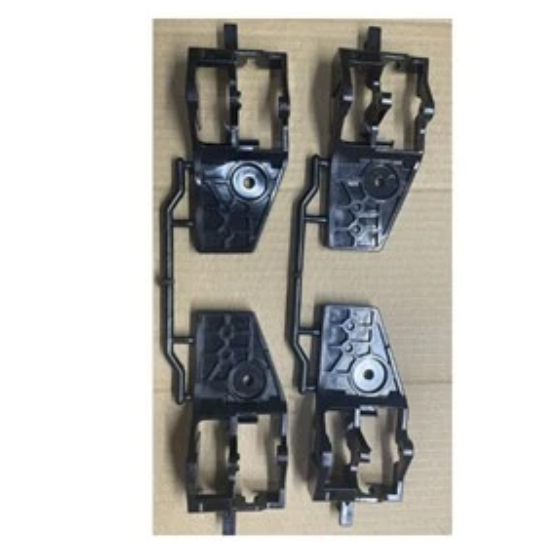
Automotive Industry
Injection molding is widely used in the automotive industry for producing parts such as dashboards, bumpers, interior components, and engine parts.
- Lightweight components for improved fuel efficiency
- Complex geometries with high precision
- High-strength materials for safety-critical parts
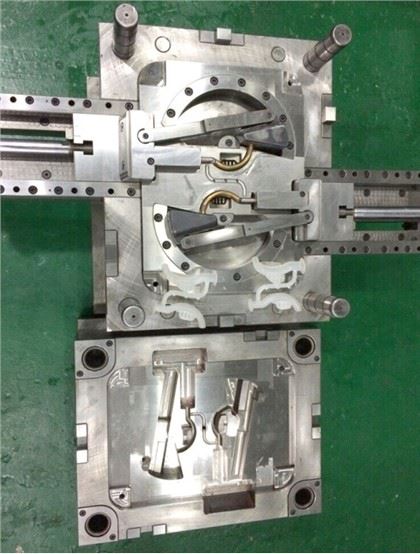
Medical Devices
The medical industry relies on injection molding for producing sterile, precision components such as syringes, IV connectors, surgical instruments, and implantable devices.
- Biocompatible materials for patient safety
- Sterilizable components for medical applications
- Tight tolerances for critical medical functions

Consumer Products
Injection molding is used to produce a vast array of consumer products, including household items, toys, electronics, packaging, and personal care products.
- High-volume production of affordable products
- Wide range of colors and finishes
- Customizable designs for brand differentiation
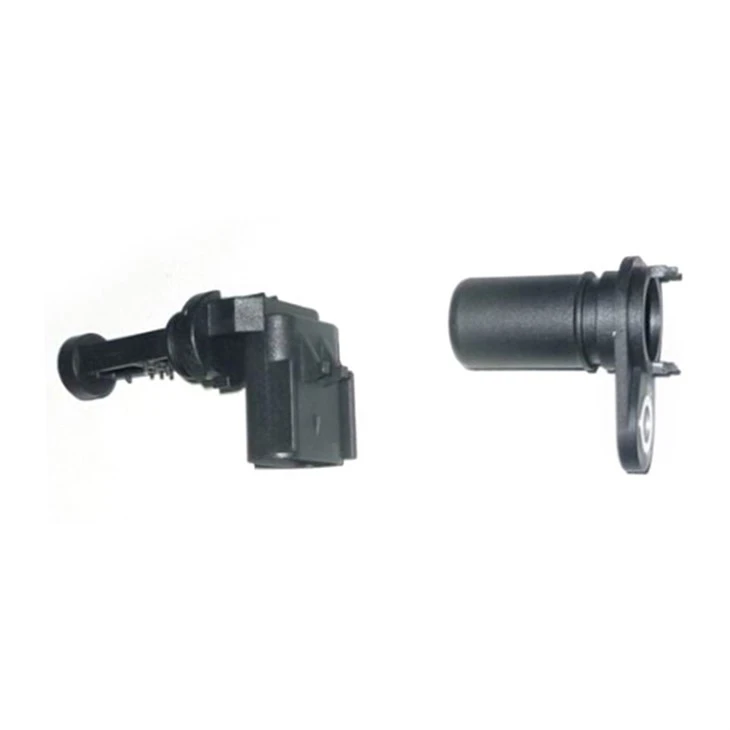
Electronics
The electronics industry uses injection molding for producing casings, connectors, switches, and other components that require precision and electrical insulation.
- Precision components for delicate electronics
- Materials with high electrical insulation properties
- Heat-resistant materials for electronic components

Packaging
Injection molding is widely used in the packaging industry for producing containers, caps, closures, and other packaging components with tight seals and precise dimensions.
- Lightweight and durable packaging solutions
- Customizable shapes and sizes
- Barrier properties for food and pharmaceutical packaging
Aerospace
The aerospace industry uses injection molding for producing lightweight, high-strength components such as interior panels, brackets, and connectors.
- Lightweight materials for fuel efficiency
- High-strength components for critical applications
- Materials that meet strict aerospace certifications
CNC Machining in Injection Molding
Computer Numerical Control (CNC) machining plays a crucial role in the injection molding process, from mold making to part production.
The Role of CNC Machining in Injection Molding
CNC machining is a manufacturing process that uses computerized controls to operate machine tools such as mills, lathes, routers, and grinders. In the context of injection molding, CNC machining is primarily used for:
Mold Making
CNC machining is used to create the molds used in injection molding. This process allows for high precision and accuracy, ensuring that the mold produces parts that meet exact specifications.
Prototyping
CNC machining is often used to produce prototypes of injection molded parts. It allows for rapid prototyping and design validation before committing to expensive mold tooling.
Low-Volume Production
For low-volume production runs, CNC machining can be a cost-effective alternative to injection molding, eliminating the need for expensive mold tooling.
Mold Repair and Modification
CNC machining is used to repair and modify existing molds, extending their life and adapting them for new designs.
CNC Machining vs. Injection Molding
| Factor | CNC Machining | Injection Molding |
|---|---|---|
| Production Volume | Best for low to medium volumes (1-1,000 parts) | Best for high volumes (1,000+ parts) |
| Initial Cost | Low (no need for expensive molds) | High (due to mold tooling costs) |
| Per-Unit Cost | High (labor and machine time) | Low (economical for large volumes) |
| Material Options | Wide range of metals, plastics, and composites | Wide range of plastics and some metals |
| Lead Time | Short (days to weeks) | Long (weeks to months due to mold making) |
| Part Complexity | Limited (difficult to produce complex geometries) | High (can produce very complex shapes) |
| Surface Finish | Good, but may require additional finishing | Excellent (mold finish is transferred to part) |
Injection Molding vs. Other Manufacturing Processes
Injection molding is just one of many manufacturing processes available. Understanding the strengths and weaknesses of each process is crucial for selecting the right method for your application.
3D Printing
- Low production volumes (1-100 parts)
- Complex geometries that are difficult to mold
- Quick turnaround times
- Prototyping and design validation
CNC Machining
- Low to medium production volumes (1-1,000 parts)
- Simple to moderately complex geometries
- High precision and tight tolerances
- Use of exotic or specialized materials
Vacuum Casting
- Small batch production (1-50 parts)
- High-detail parts with complex geometries
- Short lead times
- Low-cost tooling for temporary needs
Process Selection Guide
The choice between injection molding and other manufacturing processes depends on several factors including production volume, budget, material requirements, and timeline.
Choose Injection Molding When:
- You need high-volume production (1,000+ parts)
- You require complex geometries with tight tolerances
- You need consistent part quality and precision
- You want to use a wide range of materials
- You need efficient production with minimal waste
- You require high surface finish quality
Consider Other Processes When:
- Your production volume is low (1-1,000 parts)
- You need a quick turnaround for prototyping
- Your budget is limited for tooling costs
- You need to test multiple design iterations
- You require highly customized or unique parts
- You need to use materials not suitable for injection molding
Case Studies
Explore real-world examples of how injection molding has been used to solve complex manufacturing challenges.
Automotive Dashboard Component
A leading automotive manufacturer needed to produce a complex dashboard component with multiple integrated features.
- 40% reduction in production time
- 99.8% first-pass quality rate
- Annual production of 500,000 units
Medical Syringe Component
A medical device company required precision-molded syringe barrels with exceptional dimensional accuracy.
- 99.99% quality compliance
- FDA approval achieved
- 25% cost reduction vs. alternatives

Smartphone Housing
A consumer electronics manufacturer needed lightweight, durable housings for their latest smartphone model.
- 30% weight reduction achieved
- Premium surface finish quality
- 2 million units produced annually

Development Trends of Injection Molding
In accordance with the key development directions for China's plastics industry, the injection molding industry needs to focus on the following areas:
Development and innovation are necessary to adapt to environmental changes. With the increasing awareness of environmental protection and the implementation of stricter environmental regulations, the injection molding industry needs to adopt more environmentally friendly production methods and materials.
As mold making enters an era of personalization, the plastics manufacturing industry is also undergoing a transformation towards more customized and flexible production models.
The injection molding market is vast, brimming with opportunities. The strong demand from downstream industries such as automotive, electronics, and healthcare continues to drive growth in the injection molding sector.
To achieve development and innovation in the injection molding industry, it is essential to focus on technological advancement, process optimization, and sustainable practices.
With the transformation and upgrading of injection molding companies and the continuous improvement of production efficiency, the industry is expected to see significant growth in the coming years.