

What is CNC Machining?
Computer Numerical Control (CNC) machining is a manufacturing process that uses pre-programmed computer software to control the movement of factory tools and machinery. This process can be used to control a variety of complex machinery, from grinders and lathes to mills and routers. With CNC machining, three-dimensional cutting tasks can be accomplished with a single set of prompts.
CNC machining represents a significant advancement over manual machining, which relies heavily on human operators to guide and control cutting tools. The introduction of CNC technology has revolutionized manufacturing by offering greater precision, repeatability, and efficiency.
Today, CNC machining is used across a wide range of industries, from aerospace and automotive to medical and consumer electronics. It has become an indispensable part of modern manufacturing, enabling the production of complex parts and components that would be impossible or impractical to create using manual methods.
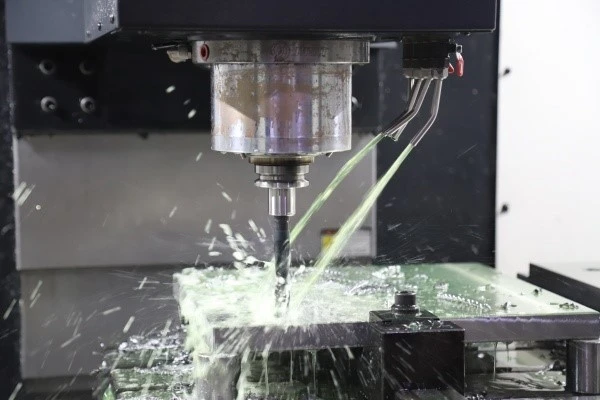
The Evolution of CNC Machining
CNC machining represents a significant advancement over manual machining, which relies heavily on human operators to guide and control cutting tools. The introduction of CNC technology has revolutionized manufacturing by offering greater precision, repeatability, and efficiency.
Today, CNC machining is used across a wide range of industries, from aerospace and automotive to medical and consumer electronics. It has become an indispensable part of modern manufacturing, enabling the production of complex parts and components that would be impossible or impractical to create using manual methods.
-
01
Increased Efficiency
CNC machines can operate 24/7 with minimal supervision, significantly reducing production time.
-
02
Superior Precision
Achieve tolerances as tight as ±0.001 mm, ensuring consistent quality across all parts.
-
03
Automation & Control
CNC machines follow precise programming instructions, eliminating human error and ensuring consistent, high-quality results across all production runs.
-
04
Complex Geometries
Capable of producing intricate parts with complex shapes and features that would be impossible or extremely challenging to achieve manually.
-
05
Material Versatility
Works with a wide range of materials including metals, plastics, wood, composites, and more, providing flexibility for diverse applications.
The CNC Machining Process
CNC machining is a precise and efficient manufacturing process that transforms raw materials into finished parts through a series of carefully controlled steps.
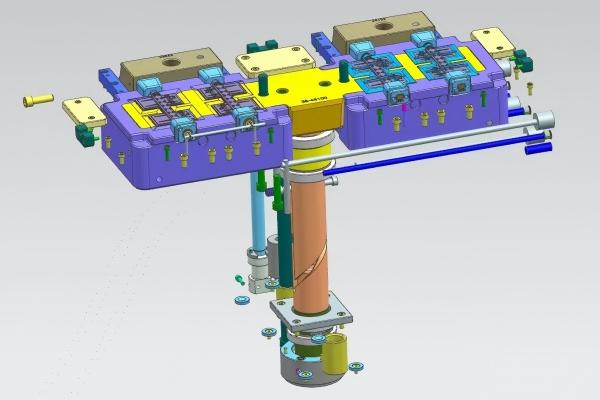
CAD Design Creation
The process begins with the creation of a detailed 3D model using Computer-Aided Design (CAD) software. This digital model serves as the blueprint for the final part, specifying dimensions, geometries, and tolerances.
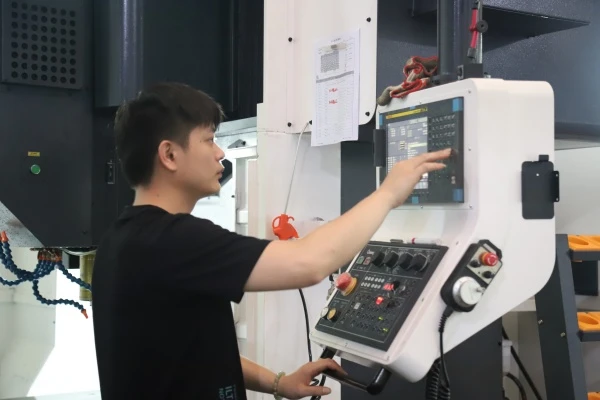
CAM Programming
The CAD model is imported into Computer-Aided Manufacturing (CAM) software, which generates the CNC machine code (G-code) that controls the movement of the cutting tools and other machine functions.
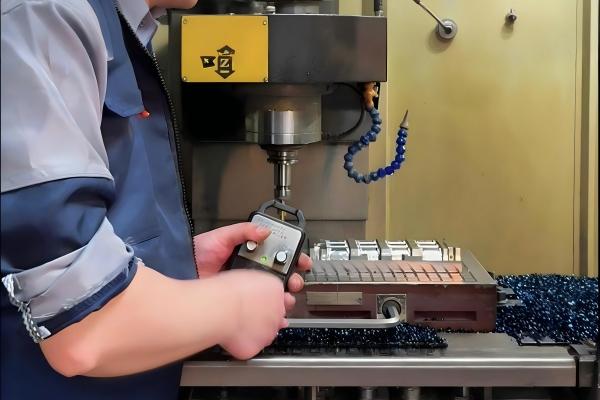
Machine Setup
The CNC machine is prepared for operation, including installing the appropriate cutting tools, securing the raw material (workpiece) to the machine bed, and calibrating the machine to ensure precise positioning.
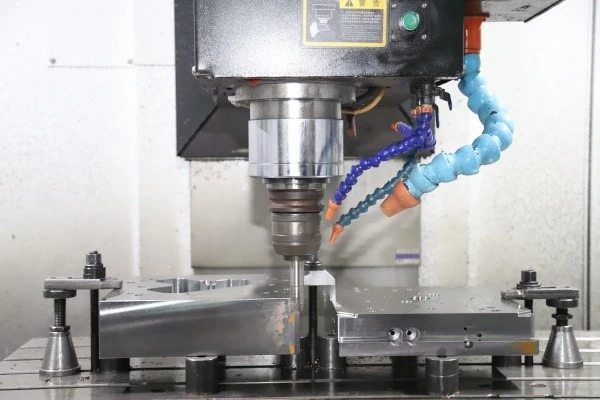
Machining Operations
The CNC machine executes the programmed commands, performing operations such as milling, turning, drilling, and grinding to remove material from the workpiece and shape it into the desired form.
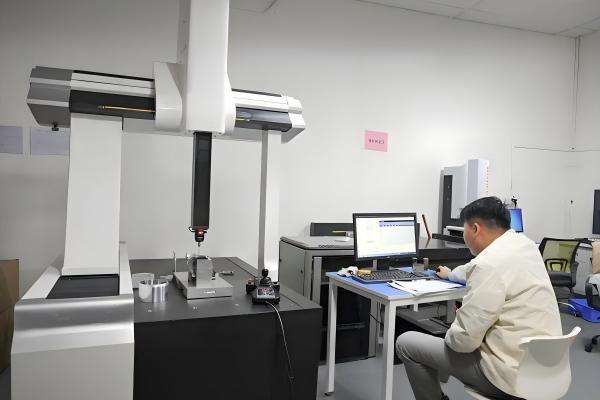
Quality Inspection
The machined part is inspected using precision measurement tools such as calipers, micrometers, and CMMs (Coordinate Measuring Machines) to ensure it meets the specified design requirements and tolerances.
CNC Machining Capabilities
Our advanced CNC machining services offer a wide range of capabilities to meet the diverse needs of our clients across various industries.
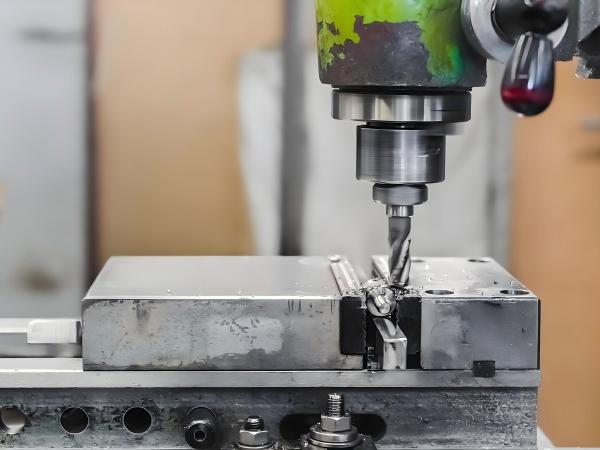
CNC Milling
Precision cutting with multi-axis capabilities
- 3-axis, 4-axis, and 5-axis milling capabilities
- Precision tolerances up to ±0.005 mm
- Maximum part size: 1200mm x 800mm x 600mm
- High-speed machining for improved efficiency
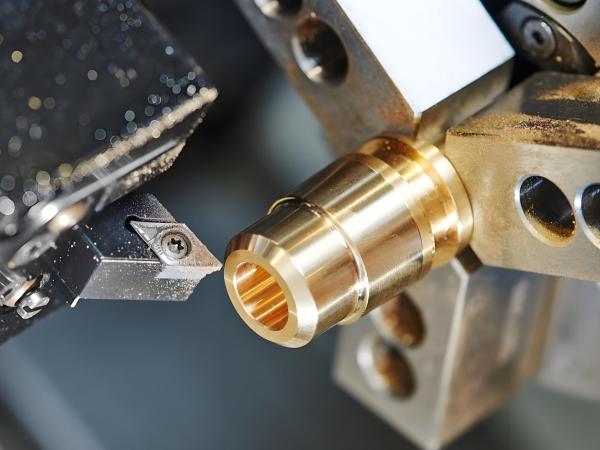
CNC Turning
Rotary cutting for cylindrical components
- CNC lathes with live tooling capabilities
- Precision turning up to 500mm in diameter
- Complex geometries and thread cutting
- Multi-axis turning for increased efficiency
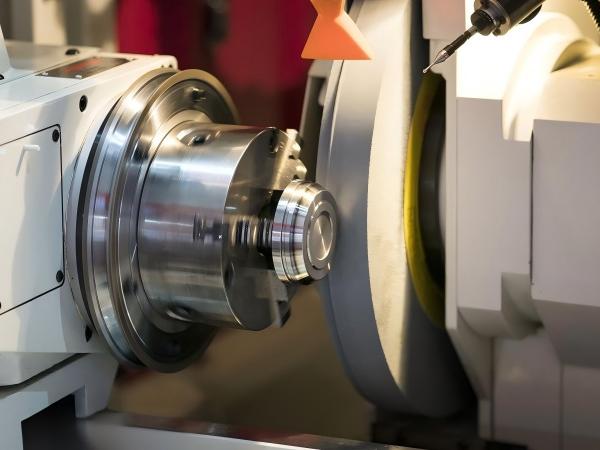
CNC Grinding
Ultra-precise surface finishing
- Cylindrical, surface, and centerless grinding
- Sub-micron precision tolerances
- Superior surface finishes (Ra 0.05 to 1.6 μm)
- Processing of hard materials (up to 65 HRC)
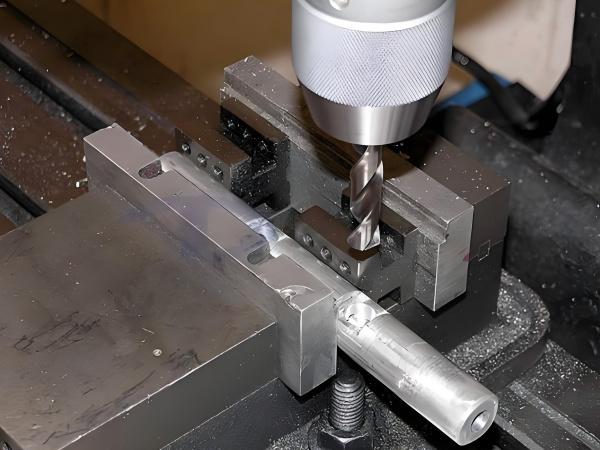
CNC Drilling
Precision hole making and threading
- High-speed drilling with robotic precision
- Hole diameters from 0.5mm to 50mm
- Deep hole drilling up to 20x diameter
- Thread milling and tapping capabilities
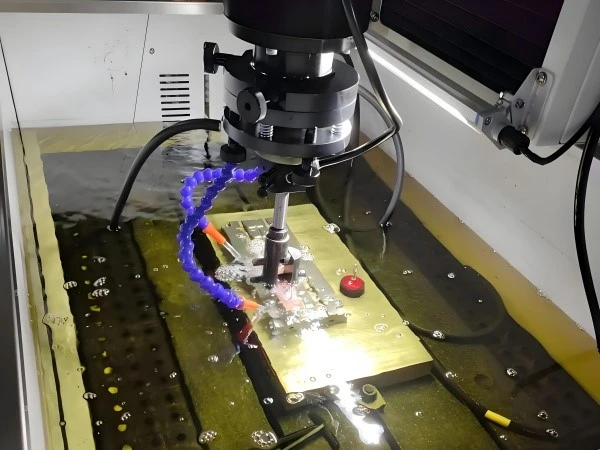
CNC EDM
Electrical discharge machining
- Wire EDM and sinker EDM capabilities
- Precision cutting of hardened materials
- Complex shapes with tight tolerances
- No mechanical stress on the workpiece
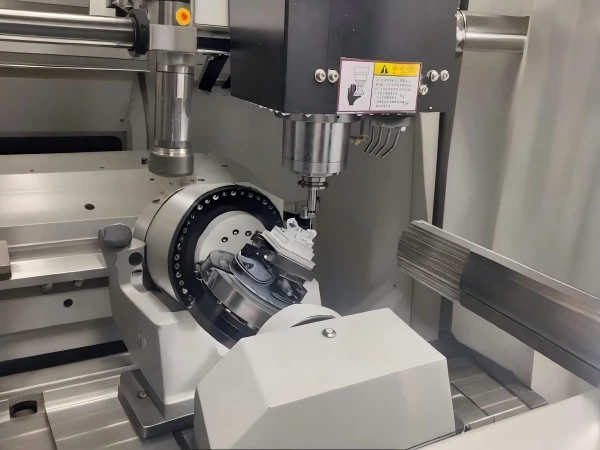
5-Axis Machining
Advanced multi-directional machining
- Simultaneous 5-axis machining capabilities
- Reduced setup time for complex parts
- Improved surface finish and accuracy
- Ability to machine complex geometries
Precision Specifications
Our CNC machining capabilities across various processes.
| Capability | Milling | Turning | Grinding | EDM |
|---|---|---|---|---|
| Axis Configuration | 3-axis, 4-axis, 5-axis | 2-axis, 3-axis with live tooling | 2-axis, 3-axis | 2-axis, 4-axis wire |
| Max Part Size (mm) | 1200 x 800 x 600 | Ø500 x 1200 | 600 x 300 x 200 | 500 x 300 x 200 |
| Positioning Accuracy (μm) | ±5 | ±3 | ±1 | ±2 |
| Repeatability (μm) | ±3 | ±2 | ±0.5 | ±1 |
| Surface Finish (Ra μm) | 0.4 - 1.6 | 0.2 - 1.2 | 0.05 - 0.4 | 0.2 - 1.0 |
| Spindle Speed (RPM) | 100 - 24,000 | 50 - 8,000 | 1,000 - 12,000 | N/A |
Materials We Work With
Our CNC machining services support a wide range of materials to meet the specific requirements of your project.
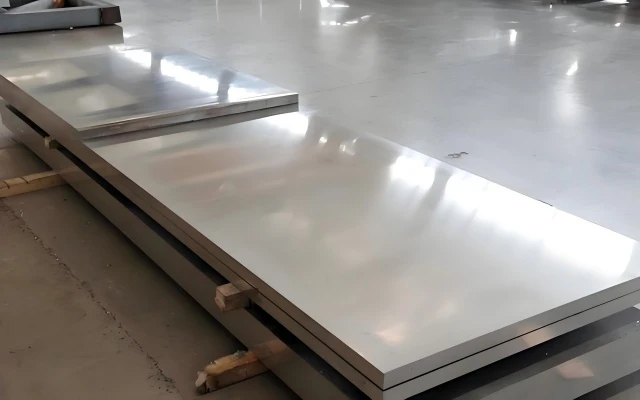
Metals
Wide range of metallic materials
Metals offer excellent strength, durability, and thermal conductivity, making them ideal for a wide range of applications across industries.
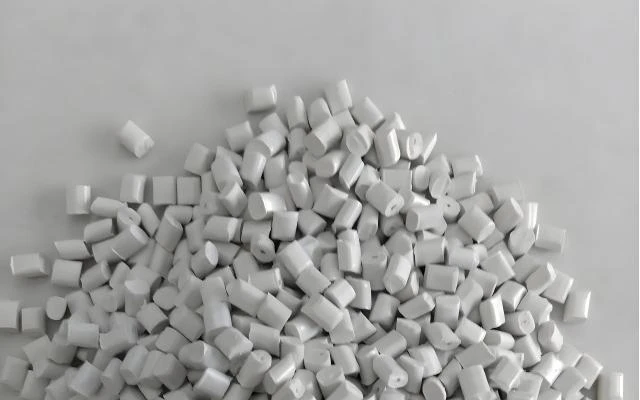
Plastics
Engineered polymers for precision parts
Plastics are lightweight, corrosion-resistant, and offer excellent electrical insulation properties, making them suitable for diverse applications.
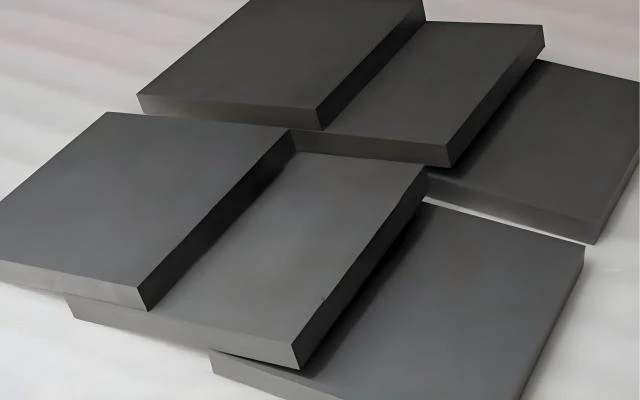
Composites & Other
Advanced materials for specialized applications
Composites and exotic materials offer unique properties such as high strength-to-weight ratio, heat resistance, and electrical conductivity.
Material Selection Guide
Choosing the right material for your CNC machining project.
Mechanical Properties
Consider the required strength, hardness, ductility, and flexibility of the final part. Metals generally offer higher strength, while plastics and composites provide lighter weight solutions.
- Tensile and compressive strength
- Hardness and wear resistance
- Elastic modulus and flexibility
Environmental Factors
Evaluate the operating environment, including temperature extremes, exposure to chemicals, moisture, and UV radiation. Some materials may degrade or corrode under certain conditions.
- Temperature resistance
- Chemical compatibility
- Moisture and corrosion resistance
Machinability & Cost
Some materials are more challenging to machine than others, which can affect production time and cost. Consider the complexity of your design and budget constraints when selecting a material.
- Ease of machining
- Material cost and availability
- Post-processing requirements
Applications of CNC Machining
CNC machining is used across a wide range of industries to produce high-precision components and parts for various applications.
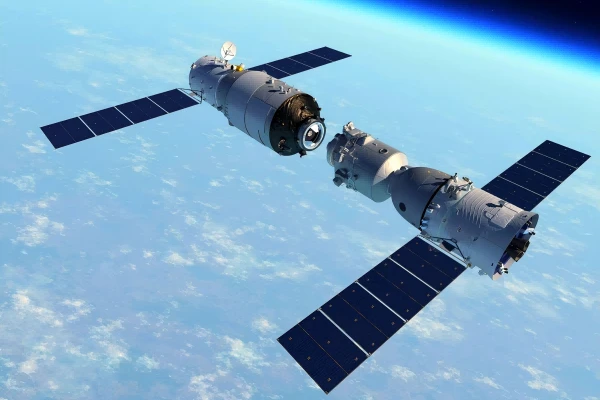
Aerospace
Critical components for aircraft and spacecraft
- Turbine blades and engine components
- Landing gear parts
- Structural components
- Avionics housings
CNC machining ensures the production of lightweight, high-strength components that meet the rigorous standards of the aerospace industry.

Automotive
Precision parts for vehicle manufacturing
- Engine blocks and cylinder heads
- Transmission components
- Braking system parts
- Suspension components
CNC machining enables the production of high-precision automotive components that meet strict quality and performance standards.
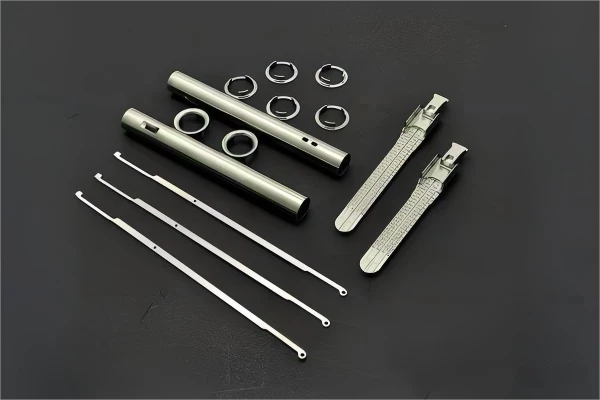
Medical
Life-saving devices and surgical instruments
- Surgical instruments
- Implants (orthopedic, dental)
- Medical device components
- Drug delivery systems
CNC machining provides the precision and reliability required for medical applications, ensuring the safety and effectiveness of medical devices and implants.

Electronics
Components for electronic devices
- Heat sinks and enclosures
- Connectors and terminals
- Printed circuit board (PCB) prototypes
- Semiconductor manufacturing equipment
CNC machining enables the production of precise components for electronic devices, ensuring optimal performance and functionality.
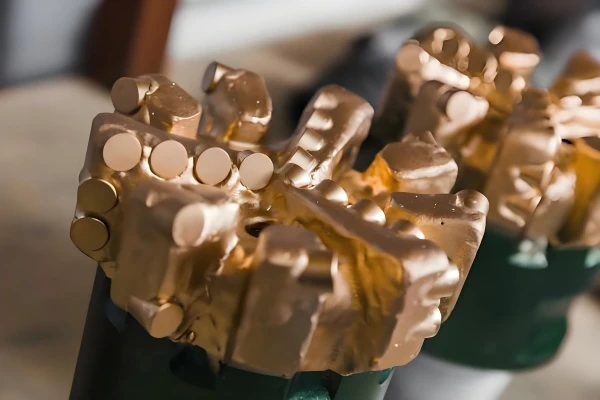
Energy
Components for renewable & conventional energy
- Oil and gas drilling components
- Wind turbine parts
- Solar panel components
- Hydroelectric components
CNC machining plays a critical role in the energy sector, producing durable components that can withstand harsh environments and demanding conditions.
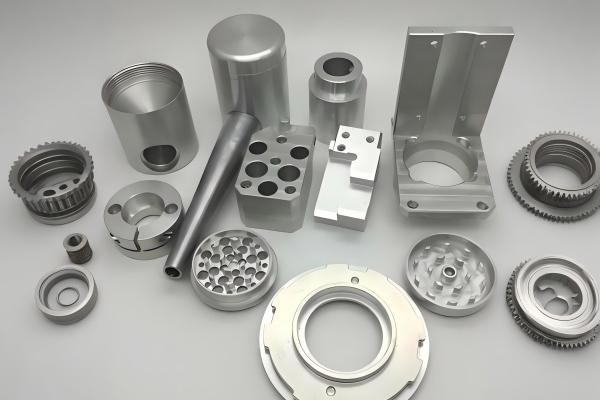
Consumer Products
High-quality components for everyday items
- Smartphone and tablet components
- Home appliances
- Jewelry and watches
- Sporting goods
CNC machining enables the production of high-quality, precise components for consumer products, enhancing functionality and aesthetics.
Common CNC Machining Problems & Solutions
Through systematic analysis and resolution of these common problems, CNC machining efficiency, accuracy, and stability can be significantly improved while reducing production costs.
Problem Description: Tools have short service life and require frequent replacement, affecting machining efficiency and cost control.
Main Causes:
- Improper cutting parameters (excessive spindle speed, excessive feed rate)
- Tool material unsuitable for workpiece material
- Insufficient cooling and lubrication
- Abnormal workpiece material hardness
Solutions:
- Re-optimize cutting parameters based on tool and workpiece materials, reduce cutting speed or decrease feed rate
- Select more suitable tool coatings or materials, such as cobalt-based carbide tools for stainless steel
- Improve cooling system to ensure adequate cutting fluid supply
- Check workpiece material quality and adjust heat treatment process if necessary
Problem Description: Machined parts have dimensional deviations and surface roughness that don't meet requirements.
Main Causes:
- Decreased machine tool geometric accuracy
- Tool runout or wear
- Insufficient fixture accuracy
- Thermal deformation effects
- Incorrect programming compensation values
Solutions:
- Regularly perform machine tool geometric accuracy detection and calibration
- Check spindle runout and replace worn tools promptly
- Optimize fixture design to improve rigidity and positioning accuracy
- Control machining environment temperature and set reasonable preheating time
- Re-measure and set tool compensation values
Problem Description: Vibrations occur during machining, resulting in poor surface quality, short tool life, and low machining accuracy.
Main Causes:
- Insufficient workpiece clamping
- Excessive tool overhang
- Unreasonable cutting parameters
- Insufficient machine rigidity
- Resonance frequency matching
Solutions:
- Add clamping points to improve workpiece clamping rigidity
- Minimize tool overhang length and use thicker tool shanks
- Adjust spindle speed to avoid resonance frequency ranges
- Reduce radial cutting depth and use multiple passes
- Use vibration-damping tool holders or dampers
Problem Description: Alarms, shutdowns, or incorrect machining trajectories occur during program execution.
Main Causes:
- Programming errors
- Incorrect coordinate system setup
- Tool path calculation issues
- Improper machine parameter settings
- Post-processor configuration errors
Solutions:
- Carefully check program syntax and verify machining paths using simulation software
- Re-establish and verify workpiece coordinate systems
- Check CAM software tool path calculation settings
- Verify machine parameter configurations match actual machine specifications
- Update or reconfigure post-processor
Problem Description: Machined surfaces show tool marks, ripples, burrs, or excessive surface roughness.
Main Causes:
- Improper matching of feed rate and spindle speed
- Unreasonable tool geometry parameters
- Improper cutting fluid selection or supply
- Decreased machine accuracy
- Residual stress release
Solutions:
- Optimize cutting parameters and adjust feed-to-speed ratio
- Select more appropriate tool rake angle, relief angle, and edge treatment
- Improve cutting fluid selection and supply method
- Perform machine accuracy testing and maintenance
- Apply appropriate heat treatment processes to eliminate residual stress
Problem Description: Chips accumulate in the machining area, affecting heat dissipation and surface quality, potentially damaging tools.
Main Causes:
- Chip shape unfavorable for evacuation
- Poor machining area design
- Insufficient coolant pressure
- Cutting parameters causing excessive chip length
- Low efficiency of machine chip removal system
Solutions:
- Adjust cutting parameters to control chip shape and length
- Optimize machining process paths to improve chip evacuation space
- Increase coolant pressure and flow rate
- Use chip-breaking tools or adjust tool geometry angles
- Improve machine chip removal devices and add compressed air assistance