

Plastic Components Assembly
Plastic Components Assembly & Molding Technology
The most advanced, efficient, and precise manufacturing processes for plastic components in the industry today.
Automated Plastic Components Assembly Line
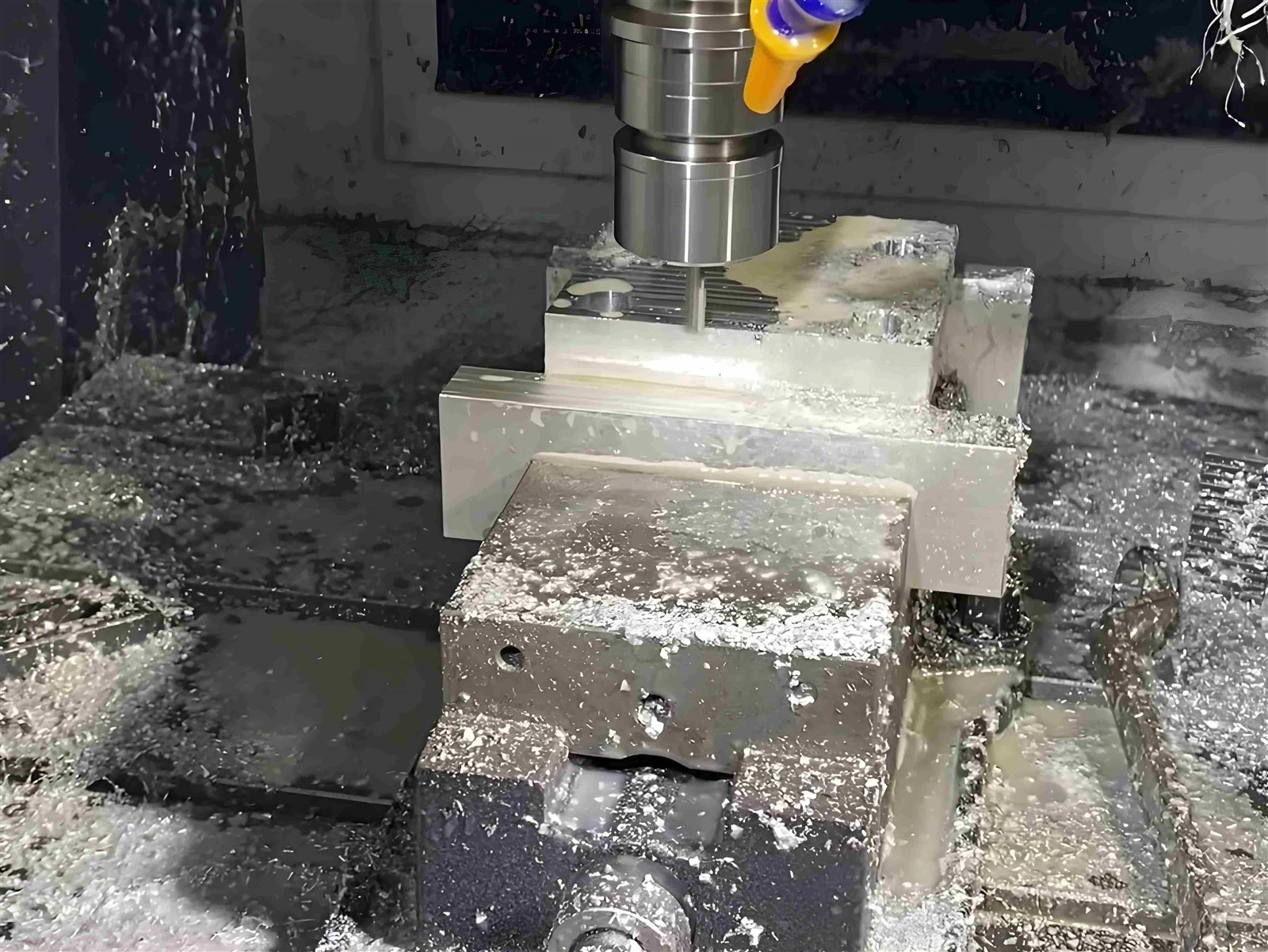
Overview of Plastic Components Assembly and Molding
Plastic components assembly and molding are critical processes in modern manufacturing, enabling the production of high-quality, precision plastic parts for a wide range of industries.
Advanced Manufacturing
State-of-the-art facilities equipped with the latest injection molding machines, robotics, and automation systems for efficient production of plastic components.
Precision Engineering
High-precision molds and tooling designed using advanced CAD/CAM technology to ensure tight tolerances and consistent quality in every plastic component.
Sustainable Solutions
Eco-friendly materials and processes that minimize waste, reduce energy consumption, and support the global shift towards sustainable manufacturing practices.
The Importance of Plastic Components in Modern Industry
Plastic components play a vital role in numerous industries, from automotive and electronics to healthcare and consumer goods. Their versatility, durability, and cost-effectiveness make them indispensable in modern manufacturing.
The plastic components assembly and molding process has evolved significantly over the years, incorporating advanced technologies and materials to meet the increasing demands for precision, efficiency, and sustainability.
Today, manufacturers can produce complex plastic components with intricate details, tight tolerances, and exceptional surface finishes, thanks to advancements in injection molding, extrusion, and other plastic processing techniques.
Plastic Components Assembly Process
From material selection to final inspection, each stage of the assembly and molding process is critical to producing high-quality plastic components.
Material Selection
Careful selection of polymers based on mechanical properties, chemical resistance, thermal stability, and cost-effectiveness to meet specific application requirements.
Mold Design & Fabrication
Precision mold design using advanced CAD/CAM software, followed by high-precision machining and finishing to create molds that meet exact specifications.
Injection Molding
The plastic resin is melted and injected into the mold cavity under high pressure, where it cools and solidifies into the desired shape.
Assembly
Precision assembly of plastic components using automated systems or skilled technicians, often involving joining methods such as welding, adhesives, or mechanical fasteners.
Finishing & Post-Processing
Surface treatments, painting, printing, plating, or other finishing processes to enhance aesthetics, functionality, and durability of the plastic components.
Quality Control & Inspection
Comprehensive quality checks using advanced metrology equipment and inspection techniques to ensure compliance with specifications and standards.
Plastic Materials for Component Manufacturing
A comprehensive range of polymers and additives used in the production of high-performance plastic components.
Acrylonitrile Butadiene Styrene (ABS)
A common thermoplastic known for its toughness, impact resistance, and ease of processing. Widely used in automotive parts, consumer goods, and electronic housings.
- Tensile Strength40-55 MPa
- Heat Resistance80-100°C
- Shrinkage Rate0.4-0.7%
Polycarbonate (PC)
A strong, transparent thermoplastic with excellent impact resistance and heat resistance. Used in applications requiring optical clarity and durability.
- Tensile Strength60-75 MPa
- Heat Resistance130-140°C
- Shrinkage Rate0.5-0.7%
Polypropylene (PP)
A lightweight, flexible thermoplastic with good chemical resistance and fatigue properties. Commonly used in packaging, automotive components, and medical devices.
- Tensile Strength30-40 MPa
- Heat Resistance100-120°C
- Shrinkage Rate1.0-2.5%
Polyethylene (PE)
A widely used thermoplastic available in various densities, offering good chemical resistance and flexibility. Used in packaging, pipes, and molded products.
- Tensile Strength10-40 MPa
- Heat Resistance60-80°C
- Shrinkage Rate1.5-3.0%
Polystyrene (PS)
A rigid, transparent thermoplastic that is easy to process and inexpensive. Used in packaging, disposable cutlery, and insulation materials.
- Tensile Strength35-50 MPa
- Heat Resistance70-90°C
- Shrinkage Rate0.3-0.6%
Polyoxymethylene (POM)
A high-strength, low-friction engineering thermoplastic with excellent dimensional stability. Used in precision components such as gears and bearings.
- Tensile Strength60-75 MPa
- Heat Resistance90-110°C
- Shrinkage Rate1.5-3.0%
Material Selection Guide
Choosing the right plastic material for your component is critical to achieving the desired performance, durability, and cost-effectiveness. Consider the following factors:
Key Considerations
- Mechanical properties (strength, stiffness, impact resistance)
- Chemical resistance to environmental factors
- Thermal properties and temperature resistance
- Dimensional stability and shrinkage characteristics
- Aesthetic requirements (color, transparency, surface finish)
- Cost and availability of the material
- Regulatory compliance and industry standards
| Property | ABS | PC | PP | POM |
|---|---|---|---|---|
| Tensile Strength | Medium | High | Low | Very High |
| Impact Resistance | High | Very High | Medium | Medium |
| Heat Resistance | Medium | High | Low | Medium |
| Chemical Resistance | Fair | Good | Excellent | Good |
| Cost | Low | High | Very Low | Medium |
Advanced Assembly and Molding Techniques
Cutting-edge methods and technologies used in the production of high-precision plastic components.
Injection Molding
The most widely used method for producing plastic components, involving injecting molten plastic into a mold cavity under high pressure.
- Material feeding and melting
- Injection into the mold cavity
- Packing and holding to compensate for shrinkage
- Cooling and solidification
- Ejection of the finished part
- High production efficiency
- Ability to produce complex shapes
- Precise dimensional control
- Low labor costs for large volumes
Automotive parts, consumer goods, electronic housings, medical devices
Insert Molding
A specialized injection molding process where metal or plastic inserts are placed into the mold before the plastic is injected, creating a single integrated component.
- Precision placement of inserts in the mold
- Clamping of the mold
- Injection of plastic around the inserts
- Cooling and solidification
- Ejection of the finished part with integrated inserts
- Eliminates secondary assembly operations
- Improves component strength and durability
- Enhances design flexibility
- Reduces production costs
Electrical connectors, automotive sensors, medical devices, consumer electronics
Overmolding
A process where one plastic material is molded over another to create a single, multi-material component with enhanced functionality or aesthetics.
- Molding of the base component (substrate)
- Transferring the substrate to a second mold
- Injection of the overmold material onto the substrate
- Cooling and bonding of the materials
- Ejection of the finished multi-material part
- Combines different material properties
- Enhances grip and ergonomics
- Improves aesthetics and brand differentiation
- Reduces assembly steps and costs
Handles, grips, electronic devices, automotive interiors, medical instruments
Ultrasonic Welding
A process that uses high-frequency ultrasonic vibrations to create a weld between two plastic components, producing a strong, hermetic seal.
- Precise alignment of the parts to be joined
- Application of pressure between the parts
- Introduction of ultrasonic vibrations
- Melting of the plastic at the joint interface
- Formation of a solid bond as the plastic cools
- Fast welding cycle times
- No need for adhesives or solvents
- Clean and aesthetically pleasing joints
- High-strength, reliable bonds
Medical devices, automotive components, packaging, electronic enclosures
Comparison of Assembly Techniques
| Technique | Process Speed | Joint Strength | Material Compatibility | Design Flexibility | Cost |
|---|---|---|---|---|---|
| Ultrasonic Welding | Very Fast | High | Thermoplastics | Moderate | Low-Medium |
| Laser Welding | Fast | Very High | Transparent/absorbent plastics | High | High |
| Adhesive Bonding | Slow-Medium | High | Most plastics | Very High | Medium |
| Mechanical Fastening | Medium | Moderate-High | All plastics | Moderate | Low-Medium |
| Snap Fits | Very Fast | Moderate | Flexible plastics | High | Low |
Quality Control in Plastic Components Manufacturing
Rigorous quality assurance processes ensure that every plastic component meets the highest standards of precision and reliability.
Precision Measurement
Advanced metrology equipment ensures dimensional accuracy and compliance with specifications.
- Coordinate Measuring Machines (CMM)
- 3D Laser Scanning
- Optical Inspection Systems
- CT Scanning for internal defect detection
Material Testing
Comprehensive material analysis to verify properties and compliance with industry standards.
- Tensile and Flexural Testing
- Impact Resistance Testing
- Chemical Resistance Analysis
- Thermal Stability Testing
Visual Inspection
Thorough visual checks to identify surface defects, cosmetic imperfections, and assembly issues.
- Automated Vision Systems
- Manual Inspection by Trained Operators
- Surface Finish Analysis
- Dye Penetrant Testing for cracks
Quality Management System
Our quality management system is certified to ISO 9001:2015 and follows strict industry standards to ensure consistent production of high-quality plastic components.
ISO 9001:2015 CertifiedProcess Control
Comprehensive monitoring and control of all manufacturing processes to ensure consistency and adherence to specifications.
Statistical Process Control (SPC)
Real-time data collection and analysis to identify trends and prevent defects before they occur.
Documentation and Traceability
Complete documentation of every step in the manufacturing process to ensure full traceability and compliance.
Continuous Improvement
Regular evaluation and refinement of processes based on feedback and data analysis to drive continuous improvement.